

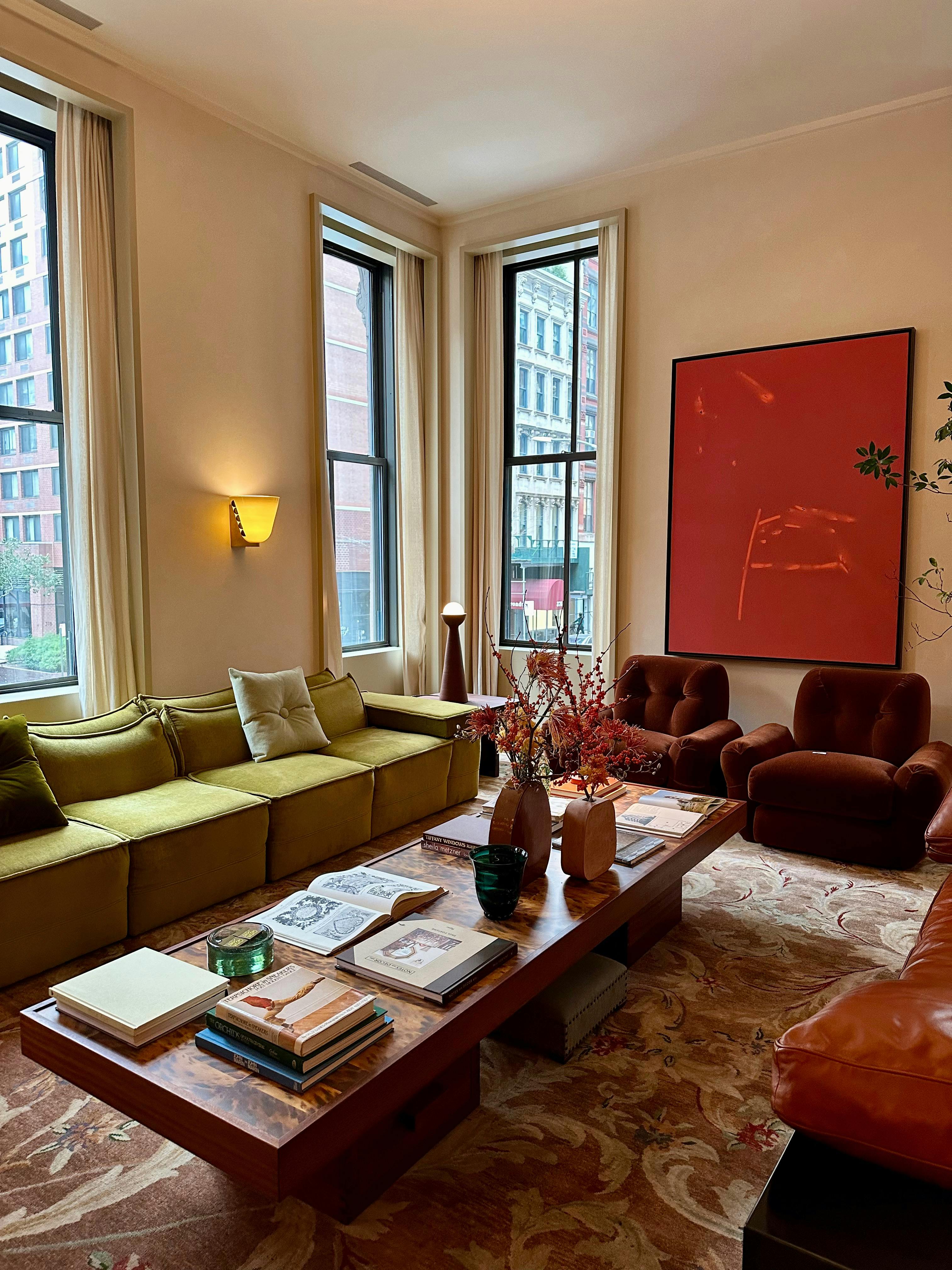
A furnished sublet in NYC is a short-term rental, typically 30 days to six months, where you move into someone else's apartment with all the furniture, kitchenware, linens, and Wi-Fi already in place. Rent usually includes utilities. You don't pay a broker fee, and you don't sign a 12-month lease.
That's the snippet. The rest of this post is what nobody tells you before you book one.
If you're moving to New York for a summer internship, a clinical rotation, a new job, a breakup, or a "let me try this city before I commit" trial run — a furnished sublet is the version of NYC housing that actually fits. The 12-month lease was built for a life you don't have yet.
Browse furnished NYC sublets on snag →
What is a furnished sublet?
A furnished sublet is a temporary rental in an apartment that's already lived-in and equipped. The original tenant — the sublessor — keeps their lease with the landlord and rents the place to you, the subtenant, for a defined window. You bring a suitcase. They've handled the rest.
In NYC, furnished sublets sit between three things:
- A standard 12-month lease — too long, too rigid, broker fee on top.
- A hotel or Airbnb — too expensive past a week, and most short-term rentals under 30 days are now illegal in NYC under Local Law 18.
- A corporate housing rental — works for relocations, but priced for expense accounts, not interns.
The furnished sublet is the only short-term housing category that's both legal at scale (30+ days) and priced like a real apartment.
What's included in a furnished sublet in NYC?
Here's the standard inventory of a furnished sublet on snag in 2026. Use it as a checklist before you book.
Furniture
- Bed with frame and mattress
- Dresser or closet storage
- Couch and coffee table
- Dining table with chairs
- Desk and desk chair (most listings, not all)
- Lamps and overhead lighting
Kitchen
- Pots, pans, baking sheet
- Plates, bowls, mugs, glassware
- Silverware and basic cooking utensils
- Coffee maker (drip, French press, or espresso depending on the host)
- Toaster, microwave
- Knife block or basic knife set
Linens and bath
- Mattress, fitted and flat sheets, pillows
- Bath towels, hand towels, washcloths
- Shower curtain, bath mat
- Iron and ironing board (often)
- Hair dryer (often)
Tech and utilities
- Wi-Fi (included in rent)
- Electricity, water, heat, gas — almost always included
- TV with a streaming login (sometimes)
- Smart locks or a key handoff plan
Cleaning
- Vacuum or broom
- Basic cleaning supplies under the sink
- Trash and recycling bins
What's usually not included: food staples, toiletries past day one, laundry detergent, and printer paper. Don't expect them.
What to expect on move-in day
Here's the realistic walkthrough of a furnished sublet move-in in New York.
1. Key handoff
Most NYC sublets use one of three handoff methods:
- In-person. The sublessor meets you at the door, walks you through the place, hands you the keys.
- Lockbox or smart lock. Code sent the morning of move-in.
- Doorman. Keys held at the desk under your name.
If the host insists on mailing keys out of state before you've seen the apartment, that's a flag. More on that below.
2. Walkthrough
Open every cabinet. Run the shower. Test the Wi-Fi. Photograph anything broken — chipped tile, stained couch, scuffed floors — and send the photos to your host in the chat thread the same day. This is how you avoid getting blamed for damage that was already there.
3. The inventory list
A good sublessor leaves a one-page list of what's in the apartment, how the appliances work, the Wi-Fi password, the trash schedule, the laundry situation, and the nearest grocery store. If you don't get one, ask for it.
4. The first night
Buy: toilet paper, hand soap, dish soap, a sponge, coffee, and breakfast. That's it. Everything else can wait until you've actually lived in the place for 24 hours.
How much does a furnished sublet cost in NYC?
Pricing varies by borough, neighborhood, and season. These are mid-2026 averages for a furnished one-bedroom sublet with utilities included.
| Neighborhood | Studio | 1 Bedroom | 2 Bedroom |
|---|---|---|---|
| West Village | $3,200–3,800 | $3,800–5,200 | $5,500–8,000 |
| Lower East Side | $2,800–3,400 | $3,400–4,500 | $4,800–6,500 |
| Upper East Side | $2,400–3,000 | $3,000–4,200 | $4,500–6,500 |
| Harlem | $1,900–2,500 | $2,400–3,300 | $3,200–4,400 |
| Williamsburg | $2,600–3,200 | $3,200–4,400 | $4,500–6,200 |
| Bushwick | $2,200–2,700 | $2,600–3,400 | $3,500–4,800 |
| Bed-Stuy | $2,100–2,600 | $2,500–3,300 | $3,400–4,600 |
| Astoria | $2,000–2,500 | $2,400–3,100 | $3,300–4,200 |
| Long Island City | $2,800–3,400 | $3,400–4,400 | $4,800–6,500 |
The median furnished one-bedroom sublet in NYC runs about $3,400/month in 2026. Studios sit closer to $2,700. Two-bedrooms around $4,800.
That's roughly the same monthly rent as a standard 12-month lease in the same building — but your all-in cost is meaningfully lower once you skip the broker fee (12–15% of annual rent), the furniture you'd otherwise buy, and the first-and-last-and-deposit upfront math.
Furnished sublet vs unfurnished sublet vs short-term rental
These get used interchangeably online. They're not the same thing.
| Type | Length | Furnished? | Legal in NYC? | Best for |
|---|---|---|---|---|
| Furnished sublet | 30 days–6 mo | Yes | Yes (with consent + 30+ days) | Interns, rotations, in-between moves |
| Unfurnished sublet | 3–12 months | No | Yes (with consent + 30+ days) | Longer relocations, you own furniture |
| Short-term rental (STR) | Under 30 days | Yes | Mostly illegal (Local Law 18) | Almost nothing — book a hotel |
| Corporate housing | 30+ days | Yes | Yes | Company-paid relocations |
| Extended-stay hotel | Any | Yes | Yes | Short windows, expense accounts |
The cleanest rule: if you need under 30 days, book a hotel. If you need 30 days to six months and want a real apartment, you want a furnished sublet.
Are furnished sublets legal in NYC?
Yes, when three conditions are met.
1. The stay is at least 30 days. NYC's Multiple Dwelling Law sets a 30-day floor on residential rentals in most buildings. Local Law 18 (2023) tightened enforcement on anything shorter.
2. The original tenant has landlord consent. Under New York Real Property Law §226-b, tenants in buildings with four or more units have the right to sublet — but they must request consent in writing, and the landlord has 30 days to respond. No response = consent presumed.
3. The building allows it. Co-ops and some condos restrict subletting in their bylaws. Rent-stabilized apartments allow it but cap the surcharge for furnished units at 10% of the regulated rent. NYCHA leases prohibit subletting almost entirely.
Read the full breakdown in our post on whether sublets are legal in NYC.
What to expect from the sublet agreement
A furnished sublet without a written agreement is a handshake deal that ends badly. Every furnished sublet you book through snag includes a written sublet agreement. If you're booking off-platform, make sure yours covers all of this:
- Dates. Exact move-in and move-out, with the time of day for each.
- Rent. Monthly amount, due date, payment method.
- Security deposit. Amount, where it's held, conditions for return.
- Utilities. Who pays what.
- Furniture inventory. A list of what's in the apartment, signed by both sides.
- Damage clause. What counts as normal wear vs tenant-caused damage.
- Early-termination clause. What happens if either side needs out early.
- Guest and pet policy. Especially if the building restricts either.
- Landlord consent. A copy of the written approval, attached.
If a host says "we don't need to sign anything, it's just a few months," walk.
What to avoid: the seven red flags of a furnished sublet scam
NYC sublet scams are consistent. Once you've seen the patterns, you can spot them in the first message.
1. The price is too low for the neighborhood
A $1,800 furnished one-bedroom in the West Village does not exist in 2026. If the listing photo looks like a magazine spread and the rent looks like a typo, it's bait.
2. They can't show you the apartment
"I'm already in Europe, my cousin has the keys, just send the deposit." No. Either an in-person tour, a live video walkthrough (not a pre-recorded clip), or a platform that holds your money until you've moved in. No exceptions.
3. They want a wire, Zelle, or crypto
Anything outside a platform's protected payment is a flag. No chargeback protection means no recovery if they disappear with your deposit. snag holds payments in escrow until your move-in date.
4. The photos are stolen
Reverse-image search a few of the listing photos. If they show up on StreetEasy, Apartments.com, or a real estate firm's site under a different address, you're looking at a scam.
5. They rush you
"Three other people are interested, I need the deposit by tonight or I'm going with someone else." Real hosts don't run auctions on a Tuesday afternoon. This is pressure, not demand.
6. The story doesn't match the lease
A "homeowner" subletting a rent-stabilized unit. A "landlord" who's renting out one unit in a building they don't own. A "tenant" who can't name their building's management company. Ask basic questions and watch the answers fall apart.
7. No written agreement
If they don't want a paper trail, neither do they want accountability. A real furnished sublet always comes with a signed contract.
For the long version, read how to spot a sublet scam.
How snag handles all of this
snag is a marketplace for furnished sublets, built for the people the 12-month lease was never going to fit. Every listing on snag is verified before it goes live: the sublessor's ID is checked, the photos are matched to a real address, and the lease is confirmed. Payments are held in escrow until you've moved in. If the apartment isn't what was advertised, you get your money back.
The point isn't that the informal subletting market doesn't work — it does, and an entire generation already uses it. The point is that it should come with the same protections you'd get booking any other major purchase.
Browse furnished NYC sublets on snag →
Frequently asked questions
What's the difference between a furnished sublet and a furnished apartment?
A furnished sublet is a short-term rental where the original tenant rents the apartment to you while their lease is still active. A furnished apartment is any rental that comes with furniture — it could be a 12-month lease, a corporate rental, or a sublet. All sublets can be furnished; not all furnished apartments are sublets.
How long are most furnished sublets in NYC?
Most furnished sublets in NYC run between one and three months. The 30-day minimum is set by NYC's Multiple Dwelling Law. The upper end depends on the original tenant's lease — most sublets stay under six months because that's the legal limit before rent-stabilized rules tighten further.
Are utilities included in a furnished sublet?
Yes, almost always. The standard furnished sublet in NYC includes electricity, water, heat, gas, and Wi-Fi in the monthly rent. Some hosts cap usage on electricity in summer (for AC). Always confirm what's included in the listing or sublet agreement before booking.
Do I pay a broker fee on a furnished sublet?
No. One of the main reasons furnished sublets exist as a category is to skip the broker fee. NYC broker fees on standard 12-month leases run 12–15% of annual rent, which can be $5,000–$8,000 upfront. A furnished sublet on snag has zero broker fee.
How much should the security deposit be?
For a furnished sublet, expect a security deposit equal to one month's rent. This is capped under NYC law (Housing Stability and Tenant Protection Act of 2019) at one month's rent for any residential lease, including sublets. Anything higher than that is illegal.
Can I sublet a furnished sublet (sub-sublet)?
Almost never. Most sublet agreements explicitly prohibit you from re-subletting the apartment. If you need to leave early, the move is to tell your sublessor and let them find a replacement — not to find one yourself.
What happens if something breaks during my furnished sublet?
Normal wear and tear is on the sublessor. Tenant-caused damage is on you and comes out of the security deposit. The line between the two should be defined in your sublet agreement. Photograph everything on move-in day so the baseline is documented.
When is the best time to book a summer sublet in NYC?
Start in March if you want a June–August stay. Summer sublet inventory peaks in late April and mostly clears by mid-May. For September starts, the window is August. Booking earlier gives you better selection; booking later gets you the leftovers.
Can I bring a pet to a furnished sublet?
Sometimes. Pet policy on a furnished sublet depends on both the sublessor's preference and the building's lease terms. Filter for pet-friendly listings on snag, and confirm the building allows pets before you commit — some buildings allow them on the original lease but not on a sublet.
Is renters insurance required for a furnished sublet?
Not legally required, but strongly recommended. Some sublessors require it as a condition of the sublet agreement. A basic renters policy in NYC runs $15–25/month and covers your belongings, the sublessor's furniture, and liability if something happens during your stay.
The short version
A furnished sublet in NYC is the housing format for someone who needs a real apartment for one to six months. It's furnished, utilities are included, there's no broker fee, and there's no 12-month commitment. The legal version is 30 days or longer, with the landlord's written consent, in a building that allows it. The scam version is anything that pressures you to wire money before you've seen the place.
If you're booking, book with paperwork, payment protection, and a verified host. That's what snag was built for.